Safety comes first. Turn off power in affected zones if it is safe to do so.
Removing water early reduces the chance of swelling, staining, and mould growth.
Photos and moisture records help with insurance and restoration planning.
Content Intent
Reviewed for practical accuracy and local relevance
Explains the first safety and mitigation steps after indoor flooding so homeowners can reduce secondary damage before restoration begins.
Written by Ausgaroo Editorial Team and reviewed by Ausgaroo Cleaning Emergency Response Team (Water Damage Response Review).
If water may be contaminated or has reached electrical risks, call the relevant emergency support first and do not re-enter the affected area until it is safe.
Start with safety and stop the source
Before touching anything, make sure the property is safe. If water is near power points, appliances, or extension cords, isolate the power if you can do so safely. If the flooding is ongoing, shut off the source or contact the relevant emergency support.
Do not assume flood water is clean. Stormwater, sewage backups, and roof leaks can all carry contamination, which affects both cleaning requirements and what can be salvaged.
Document the damage before moving too much
Take clear photos and videos of floors, walls, furniture, and any visible pooling before major clean-up begins. This helps with insurance, but it also gives your restoration team a clearer picture of how far the damage has travelled.
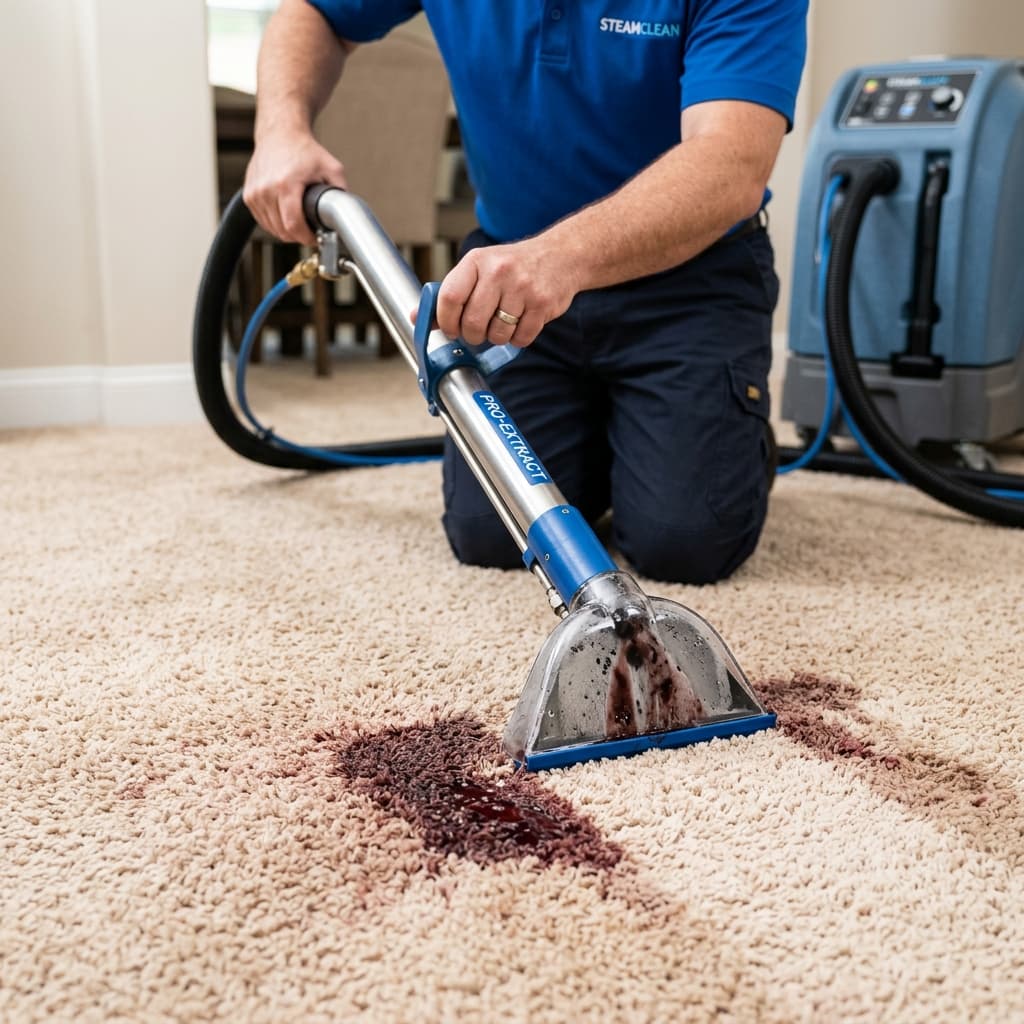
If safe, lift light items off wet carpet, place foil or blocks under furniture legs, and move valuables to a dry zone. The aim is to limit secondary damage while waiting for extraction and drying equipment.
Why the first day matters so much
The first 24 hours are critical because water starts soaking into underlay, skirting boards, and wall cavities quickly. The longer moisture sits, the more likely you are to see odours, staining, timber swelling, or microbial growth.
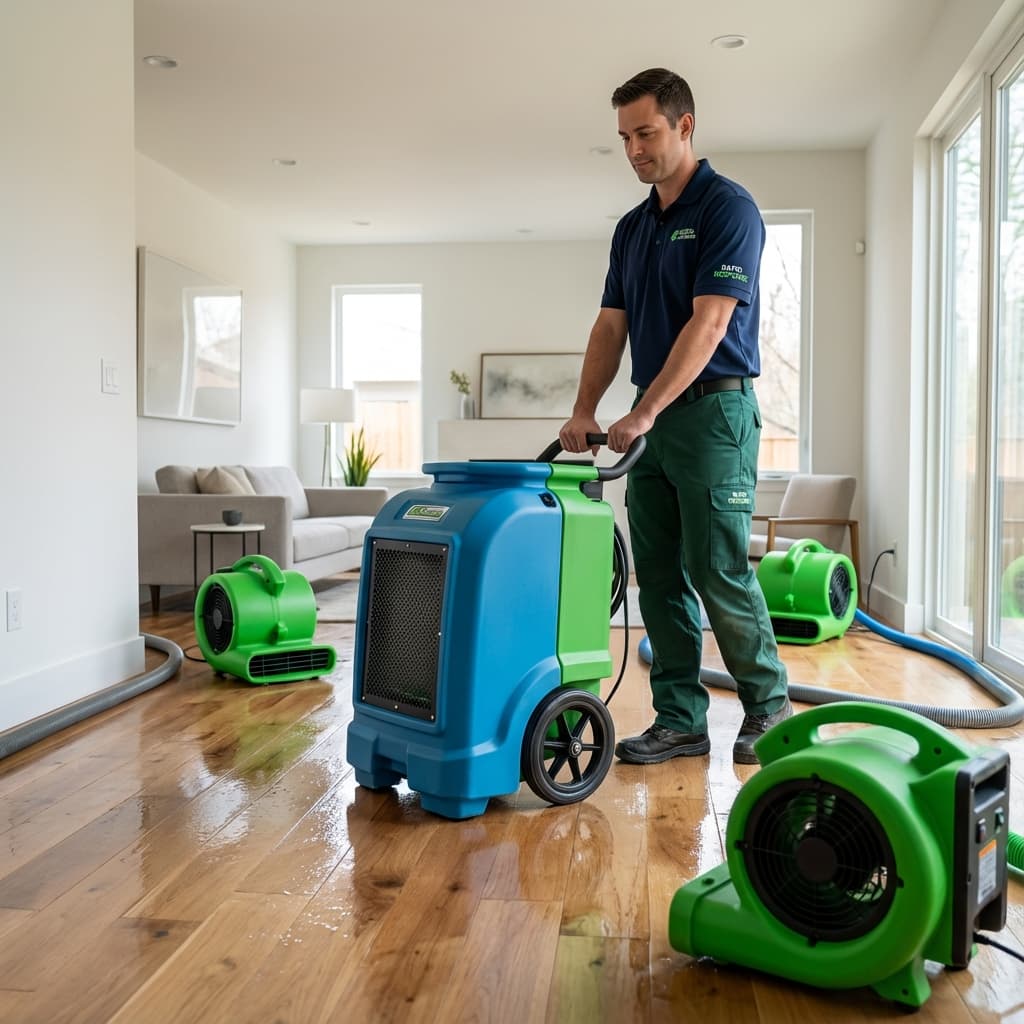
Professional extraction, dehumidification, and moisture tracking do more than dry the visible surface. They help ensure hidden pockets of damp are found and treated properly.